The Crew
Small studio. Big ambitions. Here's the people actually making it happen (currently solo as we speak).
We're a small indie team with a very specific taste in games, and we're building exactly the kind we've always wanted to play.
DarkLoom Studio runs on equal parts craft and obsession. We care deeply about atmosphere, gameplay feel, and the kind of depth that keeps you coming back days after you first pick it up. Every mechanic is questioned, and every system is refined until it not only works, but truly feels right.
No publisher, no massive team, no suits in a boardroom deciding what's fun. Just a tight group of people who genuinely love games, a community we actually listen to, and the stubborn belief that small teams can still make something great. We're proving that. one carefully built project at a time.
Our Story
The Spark
The idea of creating original games shifts from a casual interest into a serious long-term ambition.
First Steps in Game Development
Begins learning game development fundamentals and starts working in the Godot engine for the first time.
Early Prototypes
Initial gameplay experiments and small prototypes are created to explore mechanics and technical workflows.
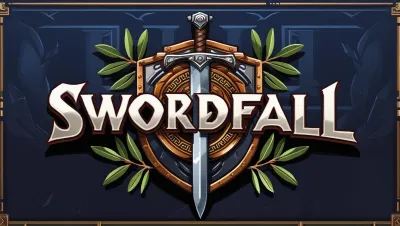
First Project: SwordFall
After a year of small game experiments, work begins on SwordFall, planned as the first official title. SwordFall was a turn-based strategic PvP card game built behind competitive systems. Think of Slay The Spire x Clash Royale.
Didn’t Feel Right For Us
After deeper evaluation, the project is paused. Self-hosting costs, long-term infrastructure demands, and the pressure of maintaining a competitive PvP environment made it a risky choice for a first release.
Second Project: GraveRaiders
After a few months of brainstorming, we found our next major direction: GraveRaiders, a project that better aligns with the studio’s technical goals and long-term vision.
Studio Identity Forms
DarkLoom Studio's branding, structure, and public-facing presence begin to take shape.
Transition to Unreal Engine
Early prototypes felt responsive and genuinely fun, and rapid gameplay iteration was easy thanks to the initial Godot foundation. As the project grew more serious and ambitions expanded, development officially transitioned to Unreal Engine to unlock higher visual fidelity and more robust production workflows. Confidence is now stronger than ever that this project has the potential to be a standout title.
First Glimpse into the DepthsFocused Forward
Active development continues with strong emphasis on quality, iteration, and long-term sustainability.